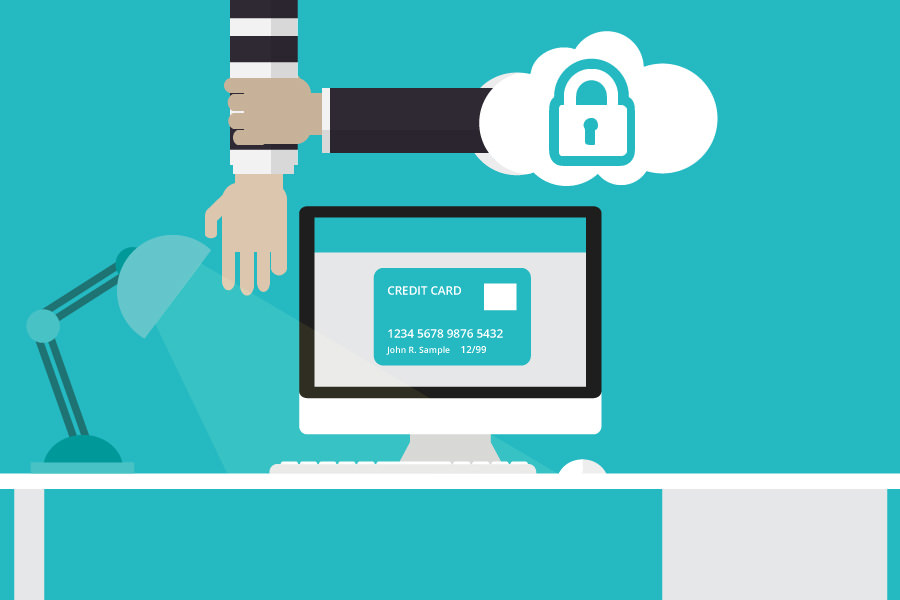
Yesterday, February 12th, a new Microsoft Office exploit was revealed which allows hackers to use a backdoor to install malware that logs keypresses, steals passwords, and even cryptocurrency wallets.
According to the release, the vulnerability lies with the Windows Installer service as a tunnel that hackers have found a way to dig through. The only hurdle is the user would have to open an infected email and download an attachment file with hidden infected code. It’s a classic phishing attempt involving tricking the victim to “confirm a payment they made to the sender.”
This kind of phishing attempt seems rather apparent to not click on, or especially download. Right into the trash, it goes! However, not everyone has had the proper training, experience, or computer knowledge to identify such a brute phishing attempt. According to the Anti-Phishing Working Group, hundreds of thousands of phishing attempts get reported every month, and thousands (yes, thousands) of people fall for even the easiest ones to avoid.
Many email threats have evolved from basic spam and phishing to highly sophisticated attacks. Traditional email security offers rudimentary defenses against these targeted attacks which is why the best spam filter is you! By learning and teaching others to identify phishing emails and not to download attachments in emails from unknown sources, users will be able to prevent their systems from being compromised by malicious software.
Tips to avoid being a cyber victim:
Do not to click on links in sketchy emails.
For most people, this is a given, but even savvy individuals can be fooled when off-guard. Links can look very, very similar to a legitimate domain link, but with red flags, if you can spot them. Sometimes a URL can have just one character different than the correct domain. Hovering your cursor over links that you are unsure of reveals the actual destination URL. Some of those links can redirect to a spoofed, or fake website that tries to steal login data if you attempt to log in. It also doesn’t hurt to listen to your gut. If something doesn’t feel right, chances are it isn’t and you should not follow the link.