Designing High-Performing Municipal Meeting Spaces: AV Trends, Live-Streaming Challenges & How to Plan for SuccessMunicipal meeting spaces have evolved far beyond simple boardrooms with a projector and podium. Today’s city councils, planning boards, and advisory...
Designing High-Performing Municipal Meeting Spaces: AV Trends, Live-Streaming Challenges & How to Plan for SuccessMunicipal meeting spaces have evolved far beyond simple boardrooms with a projector and podium. Today’s city councils, planning boards, and advisory...
Understanding Streaming Solutions: Hardware, Software, and Cloud-Based Services
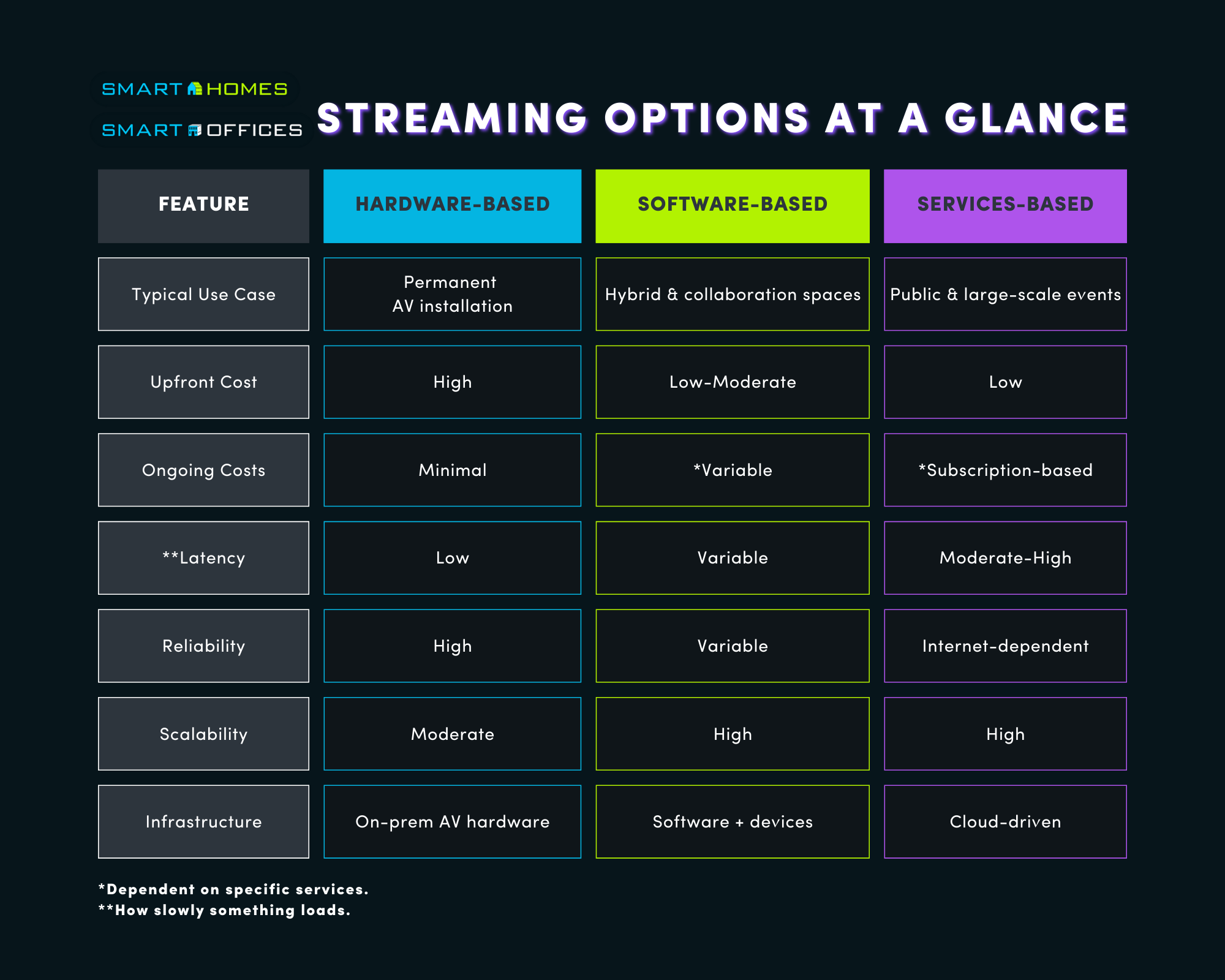
As organizations invest more heavily in systems that support live streaming, hybrid meetings, and virtual events, choosing the right streaming architecture is important to overall performance. Today’s streaming solutions typically fall into three categories: hardware-based streaming, software-based streaming, and services-based (cloud) streaming. Each approach supports different use cases, budgets, and performance expectations.
In this blog post, we’ll break down how each option works, where it excels, and what you should keep in mind when weighing which option is best for you.
Hardware-based streaming solutions use dedicated AV equipment—such as professional encoders and decoders—to capture, compress, and transmit audio and video. These systems are designed for reliability, reduced latency (how quickly something will load), and consistent performance. Some real-world scenarios include:
Corporate boardrooms with a designated and permanent AV rack that supports live broadcasts and recordings
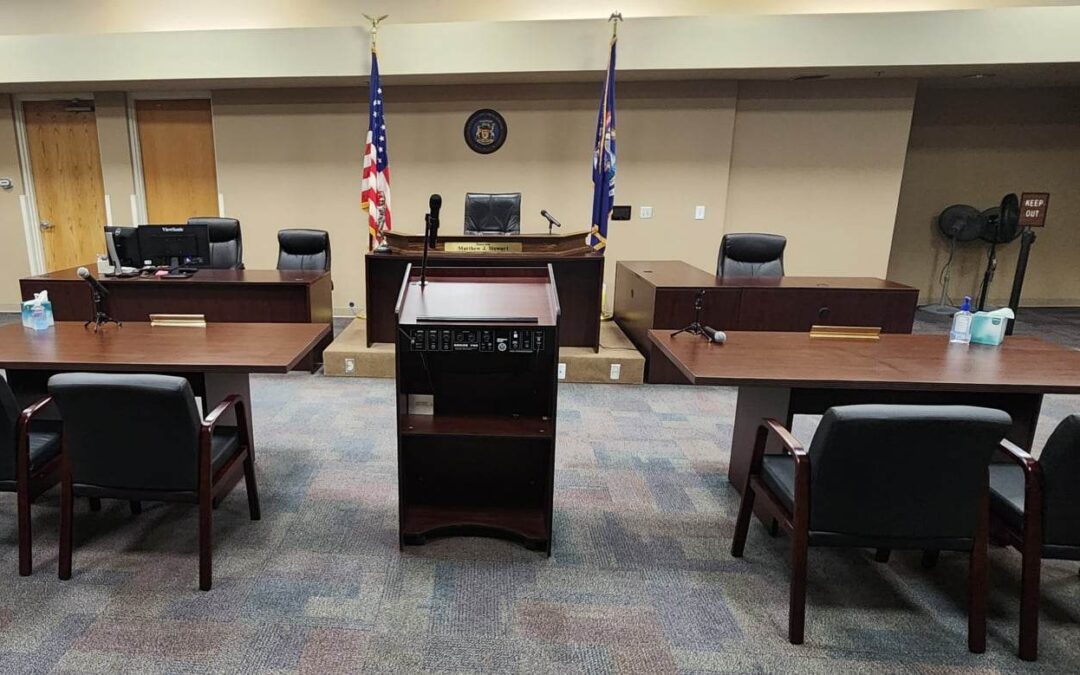
Municipal meeting rooms using hardware encoders to live stream public meetings to YouTube or a government portal
Higher education lecture halls streaming classes with broadcast-grade reliability
Houses of worship delivering weekly live services with minimal technical oversight
The most common pieces of equipment needed to support a hardware-based streaming solution are standalone streaming encoders, AV-over-IP devices, and integrated room systems. When considering hardware-based streaming solutions, it’s important to keep in mind the following key points:
Connectivity: Best with wired Ethernet and managed networks
Reliability: Extremely stable; not dependent on a PC operating system
Latency: Very low—ideal for live interaction and real-time decision-making
Software-Based Streaming Solutions
Software-based streaming focuses on software-driven compression standards that encode and decode audio and video. These solutions are often embedded into conferencing platforms or run on PCs, room systems, or collaboration devices.
Common formats include AVC, HEVC, AV1, VP9, and audio codecs like MP3, AAC, FLAC, and Opus. Some real-world examples include:
Conference rooms using Microsoft Teams/Zoom Rooms, or to stream OBS meetings
Hybrid workplaces sharing content across locations using WebRTC-based systems
Training rooms streaming internal presentations without dedicated broadcast gear
Software-based streaming is frequently paired with USB cameras and Digital Signal Processors (DSPs). When considering software-based streaming solutions, it’s important to keep the following key points in mind:
Pricing: Lower upfront cost; often included in collaboration licenses
Connectivity: Flexible, but performance depends on device processing power
Reliability: Can vary based on system load and network conditions
Latency: Moderate, depending on codec efficiency and bandwidth
Services-Based (Cloud) Streaming Solutions
Services-based streaming relies on cloud platforms to manage encoding, distribution, recording, and playback. These platforms minimize on-site equipment while offering extensive reach and scalability. Some real-world examples include:
Public meetings streamed to YouTube Live or Facebook Live
Corporate webinars hosted on cloud video platforms
Company town halls recorded and archived for on-demand viewing
Training and marketing events streamed to large remote audiences
These services often integrate features like captions, analytics, recording, and content libraries. When considering cloud-bases service streaming solutions, it’s important to keep the following key points in mind:
Pricing: Subscription or usage-based (viewers, storage, bandwidth)
Connectivity: Heavily dependent on internet upload speeds
Reliability: Cloud-stable but vulnerable to local internet outages
Latency: Typically, higher than hardware-based solutions
Choosing the Right Streaming Solution
The best streaming solution depends on audience size, reliability requirements, network infrastructure, and long-term budget. Many organizations benefit from a hybrid approach, combining hardware reliability with cloud scalability and modern codecs.
For example:
Hardware encoders feeding a cloud streaming service
Software-based meeting rooms supplemented with cloud recording
Permanent AV systems designed to support both live and on-demand content
Get Expert Guidance on Streaming Solutions
Are you a municipality that utilizes OBS, Granicus, Civic Plus, Teams, or Zoom for live-streaming of public meetings? Whether you’re streaming from enterprise conference rooms or hybrid collaboration spaces, selecting the right streaming architecture can significantly impact performance and user experience.
At Smart Homes Smart Offices, providing you with proactive advice on streaming hardware and services by leading industry brands like Open Broadcaster Software (OBS), Magewell, and Blackmagic is our forte. To learn more about our full range of audio video solutions, contact us today to speak with an AV specialist.