Designing High-Performing Municipal Meeting Spaces: AV Trends, Live-Streaming Challenges & How to Plan for SuccessMunicipal meeting spaces have evolved far beyond simple boardrooms with a projector and podium. Today’s city councils, planning boards, and advisory...
Designing High-Performing Municipal Meeting Spaces: AV Trends, Live-Streaming Challenges & How to Plan for SuccessMunicipal meeting spaces have evolved far beyond simple boardrooms with a projector and podium. Today’s city councils, planning boards, and advisory...
Start the New Year Strong: Combat Phising in 2025. As we enter the new year, phishing cyber threats remain one of the top concerns for businesses. Phishing attacks—where cybercriminals utilize creative tactics to trick individuals into sharing sensitive information such as passwords or financial details—are becoming increasingly sophisticated. Is your organization prepared to tackle these evolving threats?
Why You Should Prioritize Anti-Phishing Strategies in 2025
Phishing prevention is more critical than ever for several reasons:
Phishing is on the rise: New tactics are emerging, targeting businesses of all sizes.
Human error remains a top vulnerability: Even the best technology can’t protect against an untrained workforce.
Protect sensitive data: Avoid costly breaches and maintain your clients’ trust.
Cyber security best practices are no longer something we can afford to just think about during Cyber Security Awareness month.
Staying informed about the latest cyber threats and adopting proactive measures such as the use of strong passwords, enabling Two-Factor Authentication and keeping your software updated can do a lot to combat phishing attacks and improve your overall online security. Remaining informed, vigilant and a little suspicious is good practice.
Additionally, because many hackers rely on strong-arm techniques to pressure their victims into acting quickly to a prompt to share important personal information, another good practice is to slow things down. If you do receive a suspicious email, call or text that conveys a high sense of urgency, take a moment to verify the sender’s email or number. A good rule is to pause, reread the request and think before you click on anything. Never click on links, scan QR codes or download attachments from suspicious sources – especially if you are not expecting or requesting materials or information from the sender.
As technology becomes more integrated into our personal and professional lives and cyber criminals deploy more creative ways to access our data, so does the potential for a breach.
Each of us plays a critical role in defending against cyberattacks by practicing safe habits, being mindful of our digital footprint, and implementing tools that can help educate and minimize risk.
Top Phishing Schemes to Watch for in 2025
What emerging trends are we seeing in 2025? As phishing schemes grow more sophisticated, staying informed is a powerful first line of defense. Below are some proven tactics cybercriminals are using to exploit cyber security vulnerabilities, along with examples to help you recognize them:
AI-Generated Voice Phishing (Vishing)
Cybercriminals are using artificial intelligence to create highly realistic, voice-based cyberattacks. By cloning the voice of a trusted individual, criminals are able to impersonate trusted organizations or officials (such as your bank, financial planner, health care provieder, or attorney) to extract sensitive information.
For example, a caller pretending to be from your bank might claim there’s unauthorized activity on your account and request your account number and PIN to “secure” it. Be skeptical of urgent, high-pressure requests over the phone to provide your account credentials or other personally identifiable information. Instead, hang up and verify directly with your bank or organization if a breach has truly taken place.
Smishing (SMS Phishing)
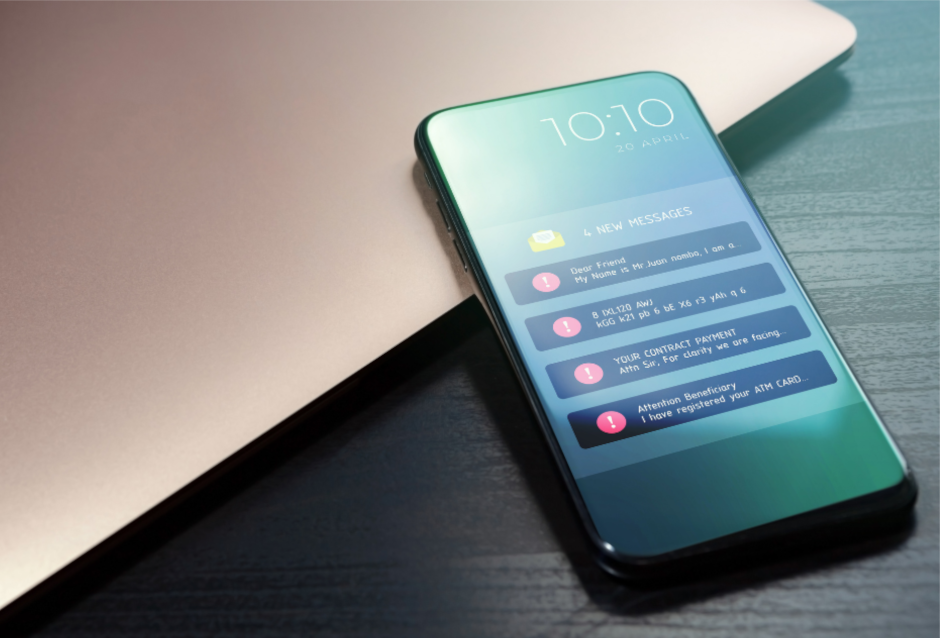
Scammers are also sending fraudulent text messages to trick individuals into clicking on malicious links or sharing sensitive information.
For example, you may receive a text claiming that your package delivery is delayed, accompanied by a link to “reschedule.” Clicking the link leads to a fake website that requests your credit card details. Be cautious of messages urging immediate action, such as verifying accounts or making payments.
Business Email Compromise (BEC)
Hackers will also seek access to your personal information by compromising the email system of a known business. In this approach, attackers will often intercept email communications and send fraudulent wire transfer instructions, requests for signature, or other means of approval in order to manipulate victims into transferring money or sharing sensitive information.
For instance, an employee might receive an email that appears to be from the CEO, urgently requesting a wire transfer for an “important project.” These types of cyberattacks underscore the critical importance of verifying financial transaction details through multiple channels and maintaining robust cybersecurity practices to prevent a breach.
Cloud-Based App Exploits
Attackers can also target cloud platforms like Microsoft 365 or Google Workspace with phishing links disguised as legitimate notifications. For example, you might receive an email claiming a shared Google Drive document requires your review but clicking on the link redirects to a fake login page that steals your credentials.
Another example of cloud-based app exploits took place in 2024, Researchers discovered that certain implementations of Amazon Web Services’ (AWS) Application Load Balancer (ALB) were vulnerable due to misconfigurations. These misconfigurations had the potential to allow attackers a way to bypass access controls and manipulate authentication tokens, potentially compromising a number of web applications. AWS reached out to affected customers, recommending security enhancements to mitigate the risk.
Start the New Year Strong: Combat Phishing in 2025 with the Help of Your Trusted IT Services Provider
At Smart Homes and Smart Offices, we specialize in helping you safeguard against online threats with comprehensive cyber security services. Our phishing simulation campaigns are designed to identify vulnerabilities within your organization by mimicking real-world phishing attempts. Once we assess your defenses, we provide tailored cyber security training for staff, empowering them to recognize and respond to potential phishing attacks.
We’re committed to making phishing prevention a top priority. As an authorized managed services partner of KnowBe4 security awareness programs, our services include:
Simulated phishing campaigns to test your team’s readiness to combat phishing.
Customized cyber security training programs to build awareness and resilience.
Expert advice on securing your home or business against cyber threats.
Our technology service experts are dedicated to providing you with proactive advice and effective solutions to help you strengthen your cyber security posture. To learn more, contact us today to speak with an IT specialist.